The demand for custom medical devices is increasing as medical attention shifts toward patient-centered care to achieve its objectives. Personalized and smart devices present themselves as cost-efficient and satisfying solutions for a technologically evolving field, such as medical equipment.
This tendency necessitates a new approach to performing all tasks in the production chain, from design to manufacturing, in a systematic and organized manner. Elements such as flexibility, variety, and parallel production become more relevant for OEMs, and adherence to applicable standards remains fundamental.
Custom Medical Devices: Shift Toward Patient-Centered Care
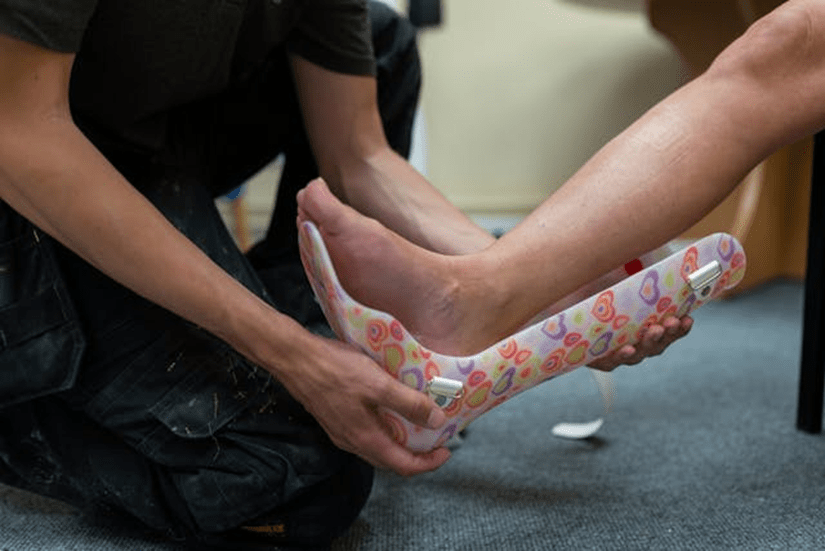
Custom medical devices are a growing trend in hospital care for a few reasons. First and foremost, it significantly increases the quality of the attention provided. Tailoring devices to the specific needs of each patient increases the likelihood of satisfactory results and patient engagement with their own treatment.
Second, it can be cost-effective because it reduces the margin of mistakes or misuse of resources in treatment. Generic solutions have a lower rate of success in addressing specific conditions, but technological advances now make it possible to design and manufacture tailored, highly customizable devices.
Lastly, hospitals are increasingly involved in developing medical solutions for patients in collaboration with care providers.
Flexible Manufacturing Models
Flexible manufacturing models enable OEM personalization through the diversification of production techniques. The rise of certain technological advancements, such as 3D and 4D printing, and the use of Artificial Intelligence, has enabled this.
Automation is another key element that has encouraged high-precision production capabilities while making manufacturing flexible and affordable. Small-batch production is financially viable due to lower costs and shorter product life spans.
On the contrary, responses to market needs must be quick, precise, and diverse. Overall, the ability to produce small quantities of concrete medical equipment serves the greater purpose of patient-centered care, which is a continually higher standard of medical service.
Integrated Validation Services
IQ/OQ/PQ validations support the safe and effective production of custom medical devices, as they provide a structured guide to meet requirements and achieve optimal results. Following each step of the process ensures that the devices have been installed, are operating correctly, and are performing as intended.
Installation Qualifications (IQ) help to ensure that equipment has been set up according to the standards. This helps lay a foundation for proper functioning and future validation steps. Operational Qualifications (OQs) ensure that the devices operate according to the standards.
Both stages are fundamental in guaranteeing the optimal performance of equipment and playing a key role in customization. Last but not least, Performance Qualifications (PQ) ensure that devices effectively perform up to the standards over time. All three stages are essential for ensuring device functionality.
But not only regular functioning: they are also fundamental in setting up and sustaining custom devices, as each may have a set of specific standards.
Digital Design, Simulation, and Prototyping: The role of CAD, rapid prototyping, and digital twins in personalization
The production of custom medical devices greatly benefits from the use of Computer-Aided Design (CAD). Every personalized device begins as a CAD-generated model, which serves as the manufacturing guide and can be modified quickly and easily. This allows for detailed personalization and virtual testing.
In tandem with this, digital twins, which are virtual representations of physical devices, can collect data from the device through an internet connection. This allows for honest time feedback of real use, performance, functioning, etc. It can also allow for testing desired changes first before they are implemented.
Similarly, prototyping enables the development and testing of devices before they are put into actual use. None of this would be possible without the help of CAD. All these elements together enable a quick and cost-efficient transition from design to manufacturing and personalization.
Market Pressure on OEMS
The shift from generic to custom medical device production offers several benefits in market advantages, but also presents a few challenges. The focus on personalized equipment enables higher-quality experiences for patients and customers, facilitating market specialization.
This can provide new and specific niches where they were not before, helping to explore and secure market segments. On the other hand, it drives competitiveness by forcing everyone in the industry to keep up with the latest trends and add new services to their portfolios to capture a share of the market.
It also creates the space for regulation and validation processes to adapt to custom and tailor production.
The future of custom medical devices
As we have seen, customization is not only a growing trend in medical equipment production, but it is also setting a new standard in the field. Not only has health care been revolutionized by shifting to a broadly patient-centered perspective. As the market follows this direction, OEMs are also pressured to do so.
Not only is customization demanded, but it is also encouraged from a cultural perspective. The existence of competitions such as the medical devices and medical equipment design award is more relevant nowadays, as the race for innovation enters a new stage.
The challenge for medical OEMs remains to be able to step up to every link of the manufacturing chain to stay cost-efficient and viable.